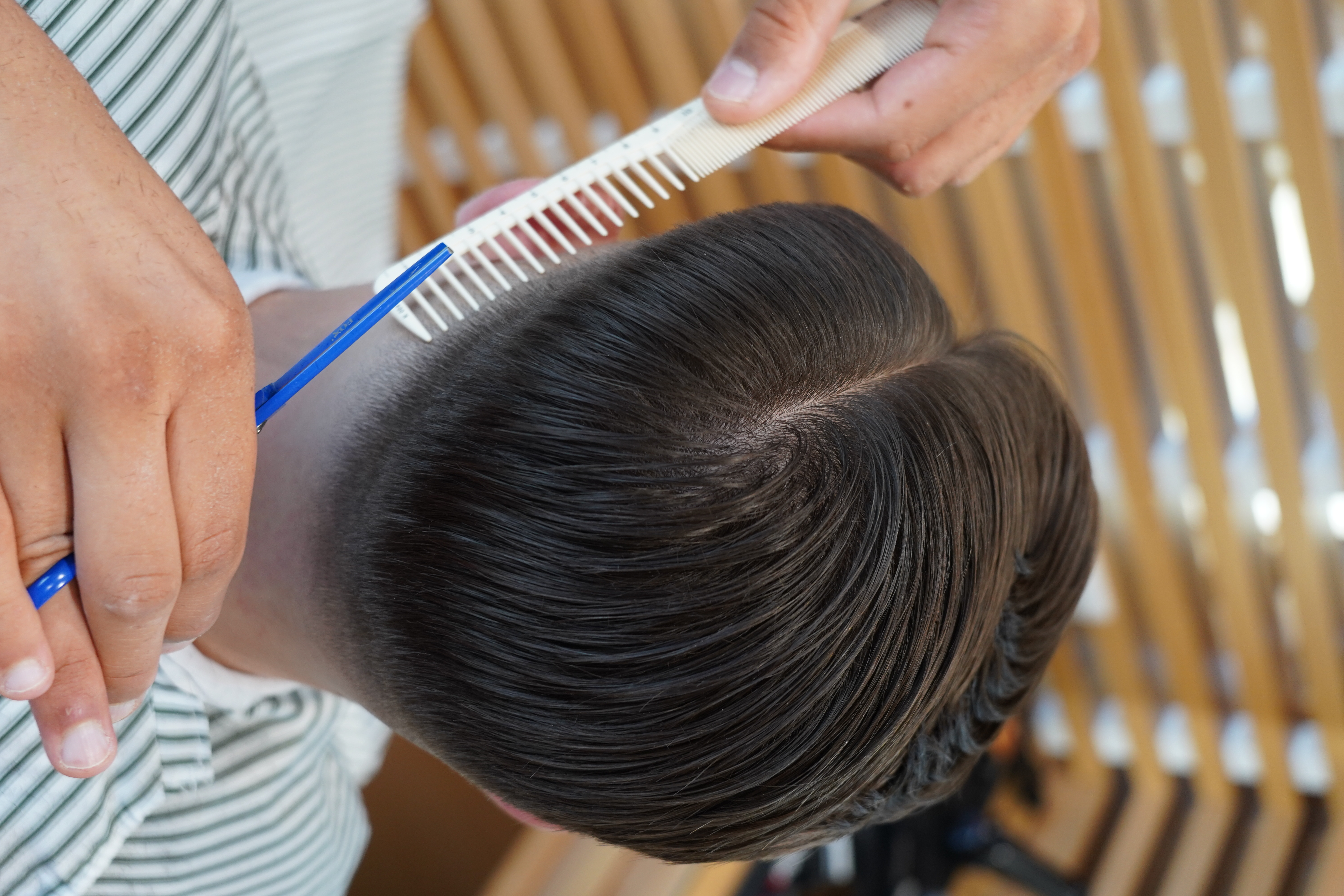
Unmanageable hair needs a diagnosis of the styling problem, not more products at once. Identify whether the difficulty is a cowlick, excess bulk, frizz, flat roots or residue. Then change the cut, drying technique or product amount that affects that problem.
When a cowlick lifts or splits
Show your barber where the hair changes direction before it is wet or styled. A cowlick often behaves differently at short and longer lengths; the awkward middle length can lift away from the head. More product does not remove the growth direction. Ask which lengths can work with it and avoid choosing a parting that fights it every morning.
When thick hair pushes outward
Extra weight at the sides or crown can make a haircut grow into a shelf. Ask for targeted weight removal while retaining the outline you like. Taking all the sides very short under a heavy top may increase the contrast as it grows. Explain exactly where the shape becomes too wide after a couple of weeks.
When frizz replaces the shape
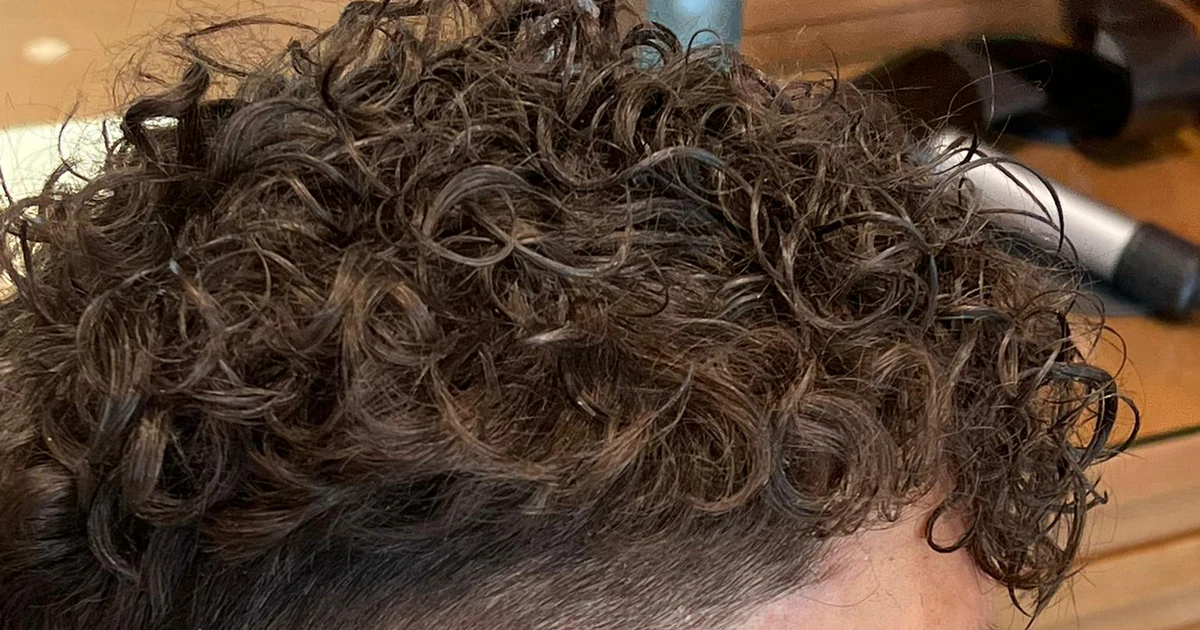
Begin with handling: press rather than rub with a towel, detangle gently and condition the lengths when needed. For curls, judge the finished length as the hair dries and springs back. Avoid assuming that the same thinning technique used on straight hair will suit every curl pattern. Describe how your hair behaves after your own wash, not just at the salon.
When fine roots fall flat
Check whether the top is too long for its density or whether heavy product is collecting near the roots. A compact shape and a small amount of a light product may be easier to control. Blow-dry the direction before adding finish, using moderate heat and moving the dryer. Do not keep adding paste to hair that is already coated.
When product residue remains
Use shampoo appropriate to the product and follow the label. Some waxy products need a different removal routine from water-soluble products. An occasional stronger cleanse may help persistent buildup, but it does not mean every wash should be aggressive. Do not judge cleaning performance from the purchase price or from how much the shampoo foams.
When the style never survives the morning
Separate shape from hold. Dry the hair into its basic direction first, then apply a small amount evenly, starting away from the front hairline. If it collapses quickly, check the cut and application rather than layering several products. Change one step at a time so you can see whether it helps.
Wash for your scalp and routine
Washing frequency depends on oiliness, exercise, products and hair texture. Daily washing can be suitable for some people; dry or curly lengths may need gentler handling and longer intervals. Cold water does not fix growth or scalp circulation, and kitchen mixtures are not a substitute for a well-chosen care product. Persistent itching, redness or unusual shedding should be assessed medically.
Make the next haircut solve a specific problem
Bring a photo of your own hair on a difficult day and explain what happens after washing. Ask which areas need a different length and how to dry them at home. If you rarely use a dryer, say so. A useful consultation ends with a routine you can repeat, rather than a style that works only in the chair.
Use our hair-type guide to separate texture and density, and the styling comparison to choose hold and finish. The upkeep guide helps plan when the shape needs attention. For an appointment, check the current services.

Community
Join the conversation
Share your thoughts or ask a question. Our barbers are listening.