Choose the shape on top, then the length and transition at the sides. Slick back, crop and quiff describe how the top is cut or worn. Low, mid and high fade describe the height of a transition. They can be combined, so a photo and a clear brief are more useful than trying to find one perfect name.
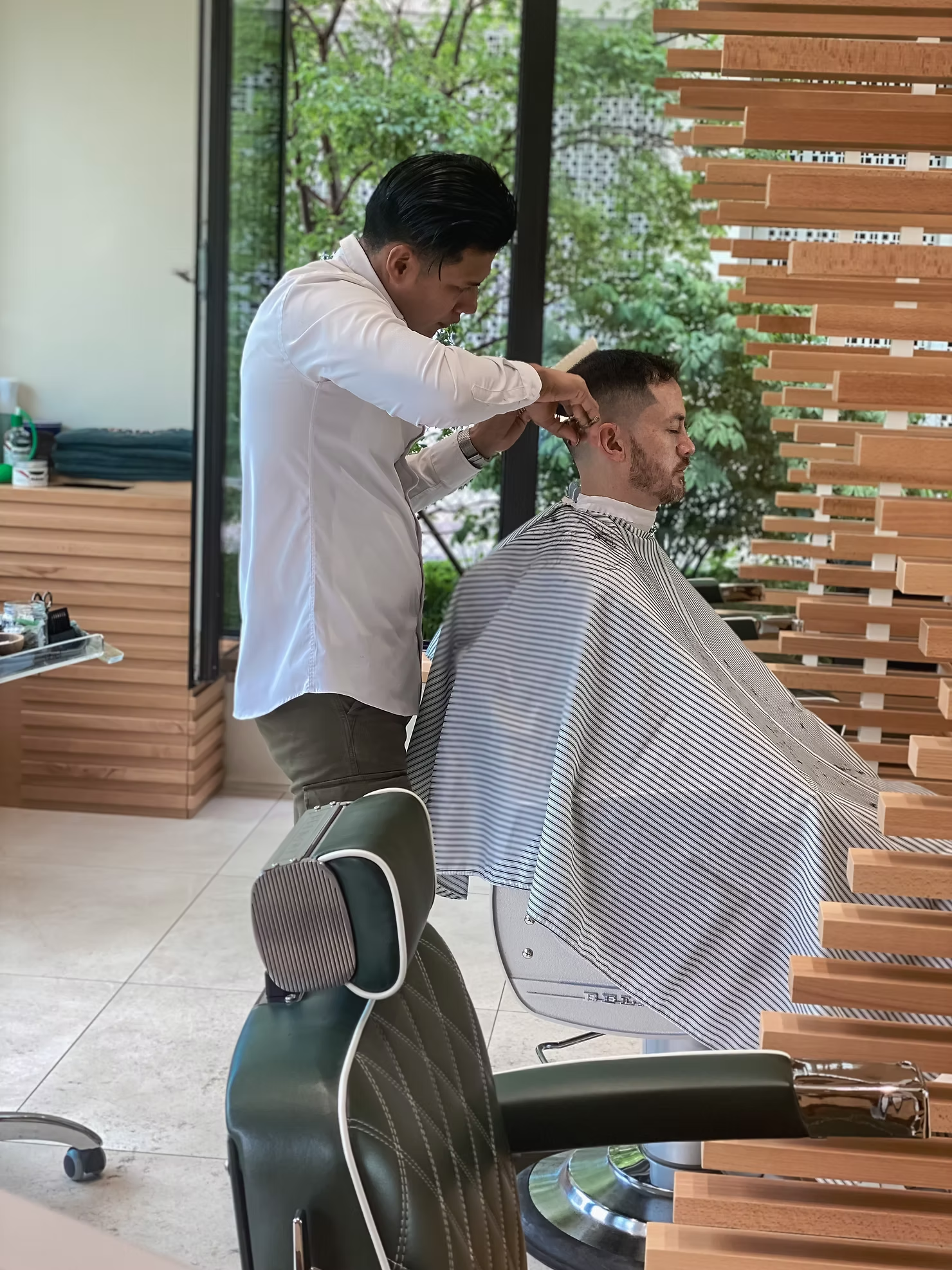
Tell your barber your hair texture, the length you want to keep and how you normally dry it. A sharp look that requires a dryer every morning is a different request from a softer shape that can air-dry.
Slick back
The top has enough length to move backward. The sides can be scissor-cut, tapered or faded; the name does not require skin-short sides. Discuss whether you want a glossy, defined finish or a softer natural result. Hairline and growth direction affect how easily it stays back.
Buzz cut
A short clipper cut can use one length or subtle differences between top and sides. Specify how much scalp you want visible rather than relying only on a guard number. Short cuts reveal head shape and require upkeep if you want their outline to stay precise.
Side part
A parting separates the direction of the top. It can be crisp or relaxed, with different side lengths. Let your natural growth direction guide where it sits. A hard shaved line is an additional detail, not a requirement of every side part.
French crop
A relatively compact top and forward fringe create the shape. Fringe length, texture and side finish can change the result considerably. Ask how the fringe should sit when you have washed and dried it at home, especially if the hair is wavy or has a strong front cowlick.
Shoulder-length hair
Long hair needs a plan for outline, layers and retained length. Explain whether you wear it loose or tied and where it becomes too wide. Removing weight is not the same as promising that no length will be cut. Agree a trim amount before the scissors start.
Pompadour
Volume sweeps up and back from the front. This generally needs enough length, a suitable cut and deliberate drying. The sides can be softer or more contrasted. Be realistic about daily styling time before choosing the height shown in a reference picture.
Quiff
The front is lifted while the remaining top can be shorter or more relaxed than a pompadour. Texture, density and the way the front grows determine how much lift is practical. A low-maintenance request should specify what you can achieve without prolonged blow-drying.
Low, mid and high fade
These names describe transition height, not the style of the top. Low keeps the shortest area nearer the lower outline; mid sits between low and high; high carries the shorter area farther upward. For visual comparisons and finishes, use the dedicated fade guide.
Skin fade
Skin describes the shortest finish at the bottom. It can be combined with a low, mid or high fade. It does not tell the barber how long the top should be. Discuss scalp sensitivity and how fresh you want the transition between visits.
Undercut
An undercut keeps a stronger separation between top and sides rather than a continuous blend everywhere. It can be paired with a fade lower down. Show the side view you want: disconnected and gradually blended outlines are different requests.
Temple taper
A small transition around the temples and neckline can clean the edges while retaining more length on the sides. Ask which areas should be shortened; the word taper does not require the entire side to be taken down to skin.
Scissor-cut transition
Scissors can create a gradual change in length while keeping a softer, fuller outline. It is useful to describe how much of the ears and neckline should remain covered. The final shape depends on the hair rather than on a standard clipper number.
Prepare the consultation
Bring front and side pictures, then explain the part you like and what you do not want. Say how often you expect to return and whether you use a dryer or styling product. Ask your barber to confirm the side finish and retained top length before starting.
Use the hair-type guide to check what your hair can support, or the grow-out guide if you are keeping length. Current appointment choices are in the service menu.
Community
Join the conversation
Share your thoughts or ask a question. Our barbers are listening.